JPMorgan Polled 111 Billionaires on Their 7 Habits. Only 3 Actually Work for Side Hustlers
JPMorgan's Principal Discussions Report distilled 7 habits from 111 ultra-high-net-worth clients. Four of them assume billionaire premises. Here are the 3 that translate to real side-hustle life.
What you'll learn in this article
- The key point to grasp before reading the full article
- How the issue changes practical decisions after reading
- Which follow-up article is worth opening next

In December 2025, JPMorgan compiled “The 7 Habits of Billionaire Clients” into a report.
JPMorgan’s “23 Wall” team spent hours interviewing 111 ultra-high-net-worth families — clients whose combined net worth exceeds $500 billion. The findings were covered by Fortune (December 29, 2025) and Entrepreneur, among others.
The 7 habits listed:
Reading, exercise, consistency, early rising, prioritization, goal-setting, deep thinking time
The moment I saw this list, I froze. “Wait — isn’t this just the same recycled content from 100 self-help books?”
And the top habit was reading. That was the number-one answer among 111 billionaires.
But as I read further, a structure emerged. A structure that mapped exactly onto my own failures back when I was building my side hustle.
This article takes JPMorgan’s 7 habits and recalibrates them against the reality of a side hustler’s daily schedule. Bottom line up front: four of the seven rely on premises that only work if you’re a billionaire. If side hustlers copy them wholesale, they’ll burn out. I’m handing you the remaining three — stripped down.
JPMorgan’s 7 Habits: They Don’t All Land for Side Hustlers
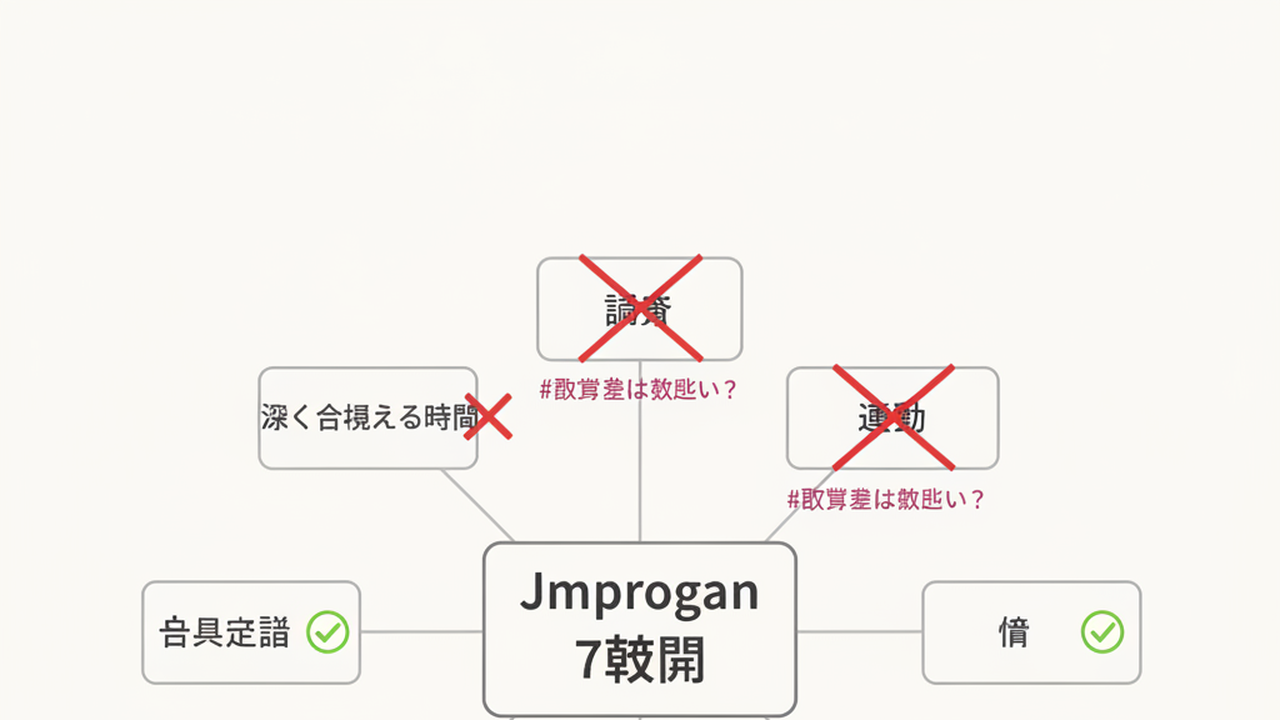
Let me lay out what’s actually in the report.
JPMorgan Private Bank released the “Principal Discussions Report” in 2025. The 23 Wall team conducted long-form interviews with 111 ultra-high-net-worth owner families — net worth exceeding $500B combined. According to Fortune’s December 29, 2025 breakdown, “reading” ranked number one in the question about “habits that most contributed to success.”
The seven habits, ranked:
- Reading
- Exercise
- Consistency
- Early rising
- Prioritization
- Goal-setting
- Deep thinking time
Here’s the interesting twist both Entrepreneur and Fortune flagged: it’s a reversal.
The billionaires who named “reading” as their top success-contributing habit were also asked, in a different section of the same report, which hobby or interest they were most passionate about. Reading ranked 7th there — below outdoor activities, time with family and friends, and work itself.
Meaning: they’re not reading because they love it. They’re reading strategically, because they know it produces results. One anonymous family leader wrote this in the report:
The currency of life is time. It is not money. You think carefully about how you spend one dollar. You should think just as carefully about how you spend one hour.
Read that and think “yeah, makes sense”? Hold on.
I had the same reaction at first. But handing this line directly to side hustlers doesn’t make it land. Two reasons.
Reason one. A billionaire’s hour and a side hustler’s hour have completely different market values. A billionaire investing an hour in reading turns that directly into business decisions. A side hustler’s hour competes with post-work recovery, household chores, kids’ homework, and laundry.
Reason two. Billionaires operate from the assumption that “24 hours are mine.” They have drivers, housekeepers, personal chefs. No housing anxiety. Reading, exercise, early rising, deep thinking — all of it runs on a foundation of “if I decide to do it, I can do it.”
A side hustler’s life is completely different. A 9-hour workday, 1–2 hours of commuting, 2 hours for dinner, bath, and cleanup, 2 more hours if you have kids to put to bed. How many hours are left? Maybe four. Maybe less. And in those four hours you’re supposed to fit reading, exercise, deep thinking, and actual side hustle work? You’ll quit within a week.
Ignoring this and saying “let’s emulate the billionaires” is unkind.
Quick note on the JPMorgan “23 Wall” team: these are private bankers who work exclusively with ultra-high-net-worth owners. Their daily conversations are with people running nine-figure businesses. The 111 families they interviewed span US public company owners, European family succession businesses, and emerging-market startup founders — geographically and industry-diverse. As a study designed to extract commonalities among successful people, the methodology is sound. The problem is that nobody put the brakes on when translating those commonalities into “things side hustlers should copy.”
I’m not going to let that stand. I’m bringing it down to the level of actual life design.
Why the Billionaire Premises Don’t Transfer

Let me put some numbers on the side hustle reality first.
According to Hostinger’s “Side Hustle Statistics 2026,” U.S. side hustle ownership by generation breaks down as:
- Gen Z (18–27): 48% have a side hustle (highest of any generation)
- Millennials (28–43): 44%
- Gen X (44–59): 23%
- Baby Boomers: 22%
And 77% of Gen Z and 52% of Millennials started their side hustle within the last two years. Side hustling has shifted from “something special people do” to “standard equipment for your 20s and 30s.”
Monthly income?
- Millennials with side hustles: average $1,129/month
- Gen Z with side hustles: average $958/month
Looks decent, right? I thought so too — for a second. Then I hit the data below it.
From The Penny Hoarder’s “Side Hustle Statistics 2026”: 53% of U.S. adults with side hustles say they couldn’t cover basic necessities without that income. And 75%+ said their dependence on side income increased in the past 12 months due to inflation.
The real picture:
- More than half are side hustling for financial survival, not aspiration
- Inflation has eroded take-home pay from primary jobs, making side income essential
- Average monthly income of ~$1,000 isn’t “luxury spending” — it’s covering the gap
Now place JPMorgan’s 7 habits on top of this reality.
“Read for one hour every day.” OK — but that hour competes directly with side hustle work time. Choose reading, and income drops. “Exercise five days a week.” OK — but those 45 minutes overlap with the window you’d use to recover from work exhaustion. “Wake up at 5am for personal time.” OK — but you were working on the side hustle until 1am. Wake up early and your primary job performance tanks.
The 7 habits are built on “24 hours are free” and “no income anxiety.” Side hustlers fall outside those premises. The moment you try to do “all of it,” the structure collapses.
One more important lens. Intuit’s official blog publishes work on the “Side Hustle Generation,” emphasizing that 49% want to be their own boss and 42% want to turn passion into work — autonomy-driven motivations. But when you combine that with The Penny Hoarder’s “53% couldn’t cover necessities without it,” the motivations for side hustling split into two layers: “chasing dreams and autonomy” and “plugging holes in the household budget.” Both groups share the same constraint: real-life time scarcity. No escape from it regardless of why you started.
This is the hard part. Whether you started because you wanted to or because you had to — the time constraint is the same. Habit formation has to be designed around time constraints, not motivation. Design around motivation instead, and it breaks.
JPMorgan’s 7 habits are designed for “people who want to optimize how they use time.” Side hustlers need a design that “reliably converts limited time windows into side hustle output.” Same word — “habits” — but different design objectives.
And there’s a hidden cost I need to name: financial anxiety. Running a side hustle while not knowing if this month’s bills are covered is mentally exhausting. Billionaires can build habits with “failure is fine, there’s always a next attempt” as a baseline. Side hustlers build habits with “if this doesn’t work, the household tilts” as a baseline.
The habits that can survive that tension are few. Three, roughly. This isn’t willpower — it’s the limit of available “decision-making capacity” (the daily mental bandwidth you can spend on choices). After spending 90% of it at your primary job, the slice left for side hustle decisions is tiny.
That’s my first point. Don’t paste the billionaire’s 7 habits wholesale onto yourself.
Of the 7 Habits, Only 3 Actually Work for Side Hustlers
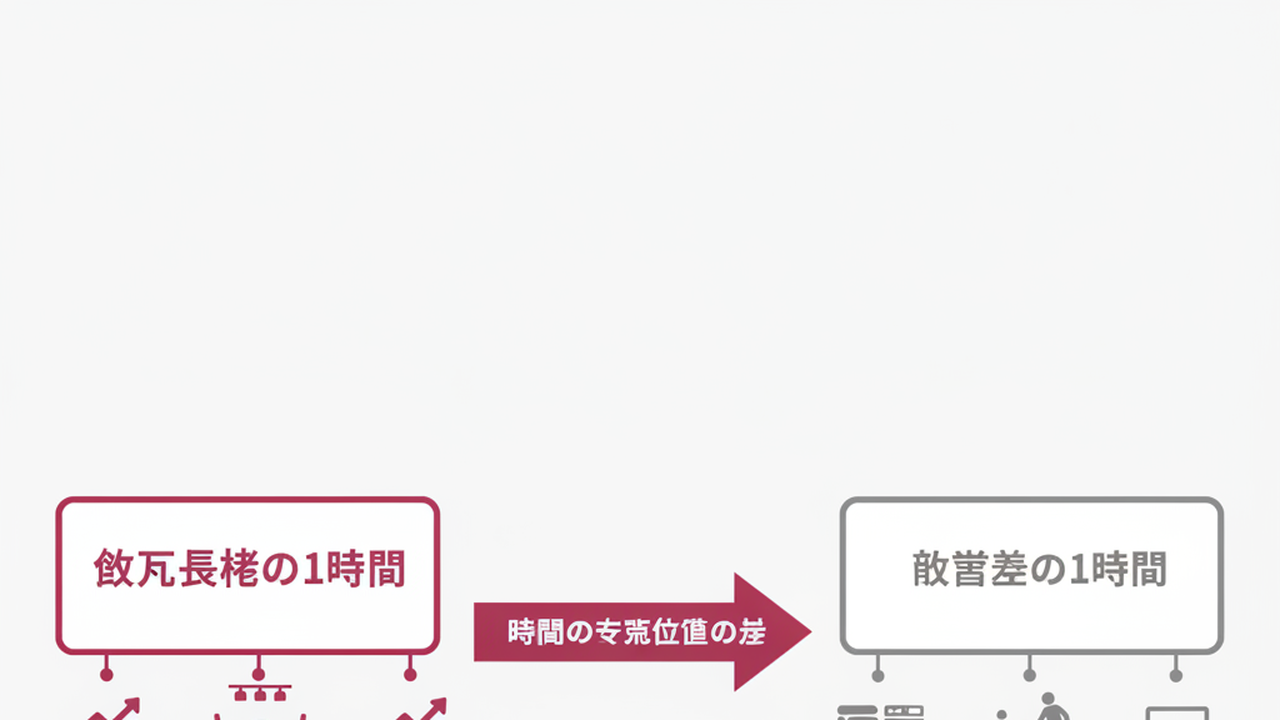
So which ones make the cut? Here’s my verdict:
◎ Keep (works): Reading, Consistency, Deep thinking time △ Drop (doesn’t work): Early rising, Prioritization ○ Reshape before using: Exercise, Goal-setting
Explanation for each:
Keep #1: Reading
The JPMorgan report’s #1 success-contributing habit. It works for side hustlers too — but not “one hour every day.” 15 minutes is enough.
Why? For side hustlers, reading serves as a “thinking sparring partner.” When you’re building something alone, your perspective calcifies. Thinking solo means your mental radius is only 2 meters. Open a book and that radius expands to 100 kilometers.
Fifteen minutes. Kindle on your phone during a commute, before bed, over morning coffee. 15 minutes × 7 days = 105 minutes. That’s a 1.75-hour weekly investment that genuinely changes the breadth of your thinking. I’ll stake my reputation on that.
Keep #2: Consistency
Ranked 3rd in the JPMorgan report. For side hustlers, this is the most important of all.
Why? Side hustle failure patterns are almost universally “they stopped partway through.” Two weeks of intensity to start. Exhaustion in week three. A week off. “I’ll restart when I feel like it.” That feeling never comes back.
“Consistency” for side hustlers doesn’t mean “do a lot every day.” It means “continue once a week for three months.” Volume is not the point. Frequency is. Perfect is not the point. Continuing is. This is the biggest lesson I learned while building my side hustle.
Keep #3: Deep thinking time
Ranked 7th in the JPMorgan report, but for side hustlers, it’s number one in importance.
Why? Side hustlers are forced into “just keep moving” mode. Working in stolen pockets of time between their primary job, thinking stops. Before long, “why am I even doing this” becomes invisible.
Thirty minutes once a week is enough. Saturday morning, coffee in hand, thinking through “what grew this week, what didn’t, what to change next week.” Without this, side hustle stays “labor on top of labor.” With it, it becomes something you can call “your own business.”
Drop #1: Early rising
“Billionaires wake up at 5am” is a trap for side hustlers.
The reason is clear. Side hustlers are working on primary job plus side hustle until late at night. Cut sleep to wake up earlier, and primary job performance deteriorates. Primary job performance drops, the financial foundation for continuing the side hustle cracks.
Billionaires wake up early because their evenings go to socializing, reading, and thinking. Side hustlers have “side hustle work” stacked on top. The same early rising isn’t available to them.
Don’t think “I’m bad at forming habits because I can’t wake up early.” You’re just on a different playing field from billionaires.
Drop #2: Prioritization
“Billionaires organize their time by priority” also doesn’t work for side hustlers.
The reason: a side hustler’s time is mostly pre-determined before prioritization even enters the picture. Primary job schedule, family time, commute. The time available for side hustle is “whatever’s left over.” There’s not enough discretionary time for prioritization to be meaningful.
What side hustlers need isn’t “prioritization” — it’s minimum viable execution. What can you do in the 30 minutes you have right now? What task fits inside 30 minutes? That’s all.
Reshape #1: Exercise
Ranked 2nd in the JPMorgan report, but side hustler exercise isn’t “45 minutes at the gym.”
“Walk more,” “take the stairs,” “work standing up” — those are enough. Side hustle exercise is about health maintenance. Not “condition optimization” like billionaires do it. Minimum exercise to sustain the energy for primary job + side hustle is the goal.
Reshape #2: Goal-setting
“Set annual goals” is too hard for side hustlers. You can’t see a year out.
Use 3-month cycles instead. What do you want to have accomplished three months from now? Work backward to monthly, then weekly. A year is too long. Three months stays connected to a realistic extension of where you are today.
The “7 Habits” Trap I Fell Into During My Own Side Hustle Days
Let me share something from my own experience.
Three months into building my side hustle while working full-time, I decided to get serious about my online presence. So I went and collected every “successful person’s habit” I could find.
5am wake-up, 45 minutes at the gym, 1 hour of reading, 15 minutes journaling, 10 minutes of meditation, 3 hours of side hustle work, then a 9-hour primary job day. On paper: perfect. In practice: I tried it.
I lasted three days before I felt sick.
By day four, I wanted to throw everything out. A week later, I was back at zero. The failure hit hard. “I can’t even copy what successful people do,” I thought.
Looking back now: the design itself was wrong. Billionaire habits are built on “24 hours are mine.” An employed side hustler’s 24 hours have 9 hours pre-allocated to the primary job. The rest isn’t “mine” — it’s “time I can manage.”
Try to cram “everything” into that time and it breaks immediately.
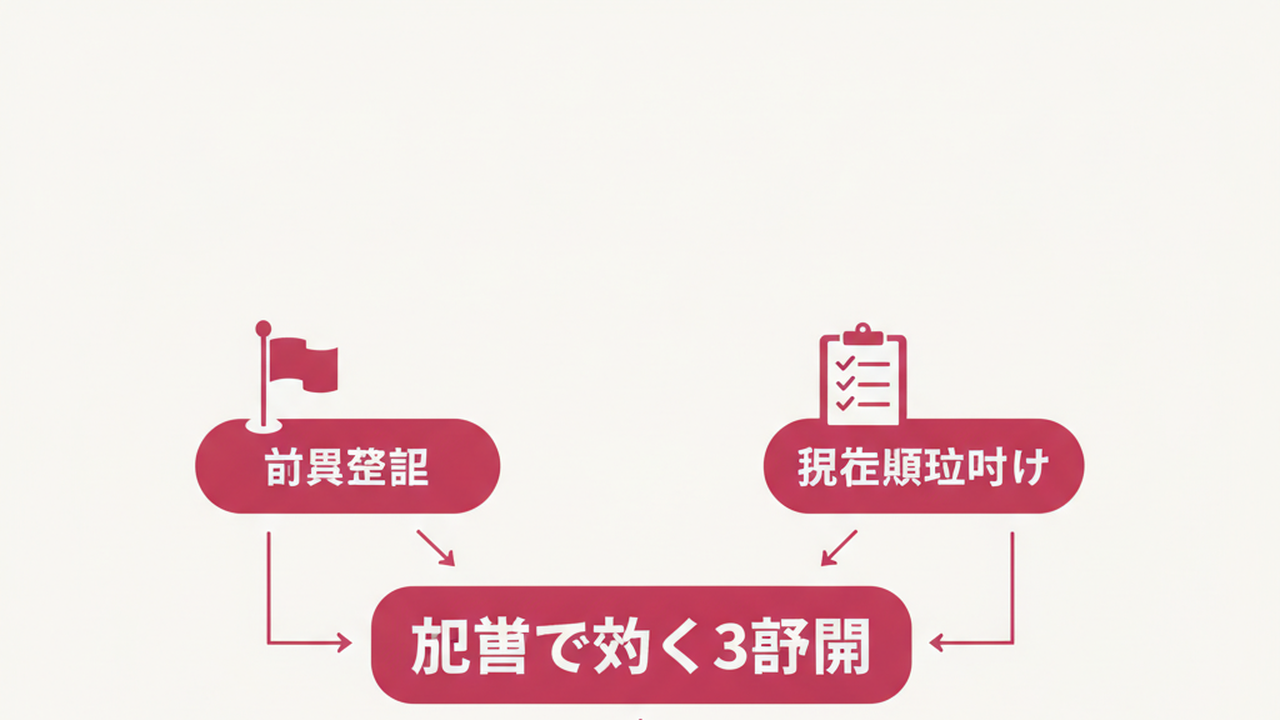
The shift that worked for me was cutting down to three things only.
- 15 minutes of reading every morning on the commute
- Side hustle content, three times a week, no matter what (consistency)
- Saturday morning, 30 minutes, coffee and reflection
That was it. About 2 hours per week total. I kept it up for 3 months, and my side hustle income jumped sharply. After 9 months, I was able to go independent.
Three things kept it going. Continuation produced results. Results built confidence, and eventually I had room to add more reading time and exercise. The sequence was backward from what I’d tried before. Not “try everything and fail” but “cut to three, keep going, expand from confidence.”
This pattern shows up in almost every side hustle consultation I do. People who tried to copy all the habits and failed: 90%. People who cut to three and succeeded: 10%. The difference isn’t willpower. It’s design.
Rely on willpower: your side hustle dies in three weeks. Design it right: your side hustle survives three months. Three months of continuation flips the habituation switch. Once that switch is on, it runs on its own.
Let me confess one more failure. Even after cutting to three, I kept wanting to add “just one more thing.” Reading 15 minutes + weekly content three times + Saturday reflection. Then I tried adding “weekday morning meditation, 15 minutes.” Broke in a week.
Why? Fifteen extra minutes, stacking up, starts eating 30% of my four-hour discretionary window. A habit that takes 30% of discretionary time starts invading primary job recovery time. Primary job performance starts slipping. Primary job evaluation starts dropping. The financial foundation for continuing the side hustle starts to crack.
“Cut to three” means “decide not to do more than three.” Subtraction, not addition. Billionaires can design their time with addition. Side hustlers design with subtraction. Different playing fields.
And I’ll admit: it took me four months to drop that morning meditation. “Meditation is important,” “Jobs did it,” “Tim Ferriss does it” — the outside pressure kept piling on guilt. It took four months for my resolve to cut to three to outlast the guilt.
Guilt is a side hustle’s biggest enemy. “I’m not doing that thing,” “I’m not doing this other thing” accumulates until one day you just quit everything at once. The moment you cut to three, you earn the right to drop the guilt about everything else. Stop watching what you’re not doing. Watch only the three things you are doing. That’s enough.
In my observation, 80% of people who abandon side hustles are “people who couldn’t cut to three and got crushed by guilt.” Not a capability problem. A symptom of the information-overload era. Open social media and “do this” flows in endlessly — meditation, journaling, cold showers, intermittent fasting, 30 AI tools, 50 side hustle mindset items. Do all of them and there aren’t enough hours in the day. Cutting to three is a defensive strategy, not an offensive one. It works as protection.
That’s why I decided to cut JPMorgan’s 7 habits down for side hustlers.
The 3 Habits to Build Into Your Side Hustle This Month — First Steps

Finally: how to actually start. Take only this part home.
Start this week #1: The 15-minute reading slot
Pick a time. Morning commute, before bed, coffee in the morning. Fifteen minutes. Read. A book, a long article, an industry report — all work. “Input that connects to your side hustle.”
Recommended starting point: one book in your side hustle’s industry, one book on marketing. Alternate between them. Read at a pace of finishing one book in three weeks.
Start this week #2: Set your “weekly minimum rule” for your side hustle
Drop “do it every day.” Instead, set “I’ll do it X times per week, without exception.”
Examples: 3 social posts per week, 1 blog post per week, 2 videos per week. Do this “no matter what.” Consistency means stability of frequency, not volume. Revisit whether to increase volume after three months of continuation.
Start this week #3: The Saturday 30-minute reflection slot
Put “Saturday 9:00–9:30 Reflection” in your calendar. Choose a location — your living room, a café, anywhere. Write three things:
- What grew this week
- What didn’t grow this week
- What will I change next week
Handwritten notebook or phone notes both work. Do this every week, and side hustle transforms from “more labor” into “your own business.”
Mapping the 3 habits into one week:
| Day | Habit | Time | Location |
|---|---|---|---|
| Mon–Fri | Reading 15 min | Morning commute (outbound) | Kindle on phone |
| Wed, Fri, Sun (or any 3 days) | Side hustle content | 30 min in free evening time | Home / café |
| Saturday | Reflection 30 min | 9:00–9:30 AM | Your choice |
| Total | — | ~2 hrs/week | — |
About 2 hours per week. Focus only on protecting these 2 hours. Add more at the 3-month mark.
The traps when you start — and how to handle them:
Trap #1: Overdoing it in the first week. You set 15 minutes of reading, but on day one you read for 30 because you’re motivated. Day two: “I did 30 yesterday so zero today is fine.” Reaches zero.
Fix: don’t do more than 15 minutes. Set a timer. When it goes off, close the book. A little unsatisfied is just right. That dissatisfaction is what makes you want to read again tomorrow.
Trap #2: The weekly 3 posts becoming 2. Week one goes well. You skip once in week two. By week three you’ve decided “2 is fine.” Before you know it you’re at 1. That’s consistency breaking.
Fix: don’t make up for missed weeks. If you finished a week at 2 posts, go back to 3 the next week. Don’t do 4 to compensate. The moment you carry debt, the side hustle becomes something you resent.
Trap #3: The Saturday reflection won’t write. You try to write “what grew this week” and nothing comes to mind. You decide it was “a week not worth reflecting on” and skip the whole reflection.
Fix: just write one number. Number of social posts this week, blog word count, side hustle revenue — anything. Write one number and “better/worse than last week” follows automatically. You get stuck when you try to write prose. Numbers don’t get stuck.
Of the three habits, the hardest to continue is “Saturday reflection.” Most people drop out here. That’s why only the people who get past this hurdle get to call their side hustle “their own business.”
One more note on sequencing: start in this order — reading, weekly posting, reflection. Reading has the lowest barrier — just 15 minutes on your phone. Do this for two weeks and you build a sense of “time that’s mine” in each day.
Then start weekly posting. First week: 1 post. Second week: 2 posts. Third week onward: 3 posts as a fixed rule. Aiming for 3 posts from week one leads to failure in week one.
Begin reflection in week three. By then you have two weeks of posting data to work with. You can’t reflect on nothing. The sequence matters — rush all three at once and you lose all three.
Last thing: decide when you’ll update these habits. After 3 months of continuation, review once. Change reading genre, adjust posting frequency, add new reflection prompts. Stay fixed for six months or a year and the habit becomes too automatic to grow. Three months is one cycle — evolve a little each cycle.
Two cycles (six months) and your side hustle income will reliably move. Three cycles (nine months) and independence enters the picture. That’s what happened to me. Get the sequence right and anyone can get there.
Summary: The 3 You Have Left After Cutting Are What Change You in 3 Months
JPMorgan’s 7 habits report is well-made. Conclusions drawn from 111 ultra-high-net-worth clients with a combined net worth exceeding $500B carry real weight.
But copy them wholesale as a side hustler and you’ll hit capacity overload and quit. That’s not the habits’ fault. It’s the “billionaire premise” and “side hustler premise” being fundamentally different.
The three that work for side hustlers:
- Reading (15 minutes is enough — expands the breadth of your thinking)
- Consistency (volume is secondary — continue on a weekly schedule)
- Deep thinking time (30 minutes a week is enough — converts labor into your own business)
The other four run on a “billionaire life design.” Side hustlers operate on a different map. Acknowledge that, then choose your three.
“Try all the success habits” leads to zero in three months. “Cut to three and continue” leads to doubled side hustle income in three months.
I went from the first pattern to the second — and that’s when I got results. That’s why I’m writing this.
You don’t need to do all 7 habits. Cut to three. Keep them going. In three months, you’ll be different. That’s enough.
Stop hesitating and create a 15-minute reading slot today. That’s the first step.
JPMorgan’s 7 habits have their value — concentrated in the 3 that remain after the cut. Your side hustle works the same way. The 3 you have left after cutting are what make the numbers move. Same structure. That’s all I can hand you. The rest is up to you: pick three, run them for three months.
Three months from now, tell me how it went. I’ll be waiting for the update.

女性だからこそ、AIを使いこなさなきゃって思ってる。仕事も、副業も、推し活も、旅行も、全部やりたい。人生一度きりなのに時間は足りないじゃん?だからAIに任せられることは全部任せる。浮いた時間で本当にやりたいことをやる。それがあたしのスタイル。ここにはあたしが実際にやったことをまとめてるだけ。誰かのためになったらいいなって思って書いてるよ。